In the last post we looked at where to test parasite SEO … but what should you promote when testing?
Let’s look at choosing products to review.
When I first started writing reviews, I treated product selection like a life decision.
I’d overanalyse the offer. Read every complaint. Second-guess the niche. Convince myself I needed the perfect product before writing anything.
That half made sense when writing a single review took all day.
Then AI entered, stage left and changed that overnight.
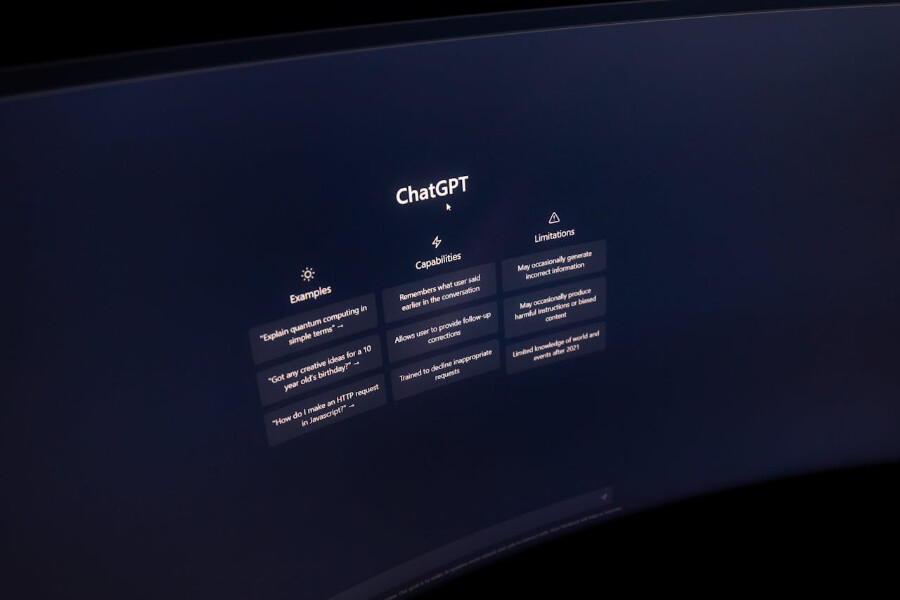
AI instantly lowered the cost of being wrong
I resisted AI for a good 12 months. Thought it was a bit of a gimmick.
Then it all clicked!
As for many others, the biggest change for me wasn’t traffic or rankings. It was effort.
With AI doing most of the heavy lifting on first drafts, a review stopped being a precious thing. It became a test.
If a page doesn’t rank or convert, I haven’t lost a whole day. I’ve lost a couple of hours at most (usually less) and a bit of curiosity.
In fact, by honing the prompt more and more I’ve reached the point where I can churn out a pretty good review in 35 minutes (including publishing).
I can write a review in my lunch hour!
That changes how seriously you need to treat product selection upfront.
Testing beats guessing every time
I still do basic filtering, but I don’t obsess.
If a product is reviewable, has some existing demand, and doesn’t scream trouble, it’s usually good enough to test.
Instead of asking “is this the perfect offer”, I ask “is this worth publishing once and watching?”
Parasite SEO rewards taking action. AI dramatically increases how often you can take action.
Why this works so well with parasite pages
Parasite platforms are already super fast.
Pages index quickly. Rankings move sooner. You see signals while they still mean something.
Combine that with AI-assisted writing and you get a proper testing loop. Publish, observe, adjust, repeat.
You’re not betting the farm on one review. You’re running small experiments and letting the SERPs tell you what deserves more attention.
When you find a good one, double down and rewrite the review. Publish on a different parasite. Then go again!
Sometimes you will see your content occupying #1 , #2 and #3 at the top of Google.
That’s a good feeling … for you and your bank account!
Health still makes sense, but not for the old reasons
I still test heavily in health niches, but my reasoning has shifted.
It’s not about finding the perfect supplement. It’s about volume of signals.
Health networks make it easy to spin up multiple reviews quickly. Low barriers. Decent commissions. Plenty of search intent.
When AI is handling structure and first drafts, you can publish three or four tests instead of one “perfect” page.
One of them often comes through and if it doesn’t, you haven’t wasted a week 
What still matters, even with AI
AI doesn’t remove judgement completely.
I still avoid products that feel legally awkward or impossible to criticise at least with a little bit of honesty. AI can write negatives, but it can’t protect you from bad instincts.
Clear positioning and obvious intent still matter. Reviewability still matters.
The difference is that I don’t need certainty. I need “good enough to test”.
Another top tip: avoid writing negative reviews. Product owners are often scanning the SERPs with a critical eye. If they see an obvious AI generated review painting their pride and joy product or service in a bad light, you run the risk of being reported and banned.
If you have 100’s of reviews on a particular platform and you get banned, that’s a big hit!
(ask me how I know … lol)
This turns parasite SEO into a numbers game
Once writing is no longer the bottleneck, things get much simpler.
You stop overprotecting pages. You stop waiting for permission. You publish, watch, and move on.
It becomes a production line.
Some pages sink without a trace. Some surprise you. Both outcomes are useful feedback for the next review.
That’s a much healthier mindset than pinning your hopes on one carefully chosen offer.
What comes next
At this point, the usual question is about process.
“How do you actually tie all this together without reinventing it every time?”
That’s what I ended up systemising, mostly so I could stop explaining it differently to everyone who asked.
I’ll share that next.
As always, I welcome your questions and comments. Hit reply below 
-Cheers! Rohan